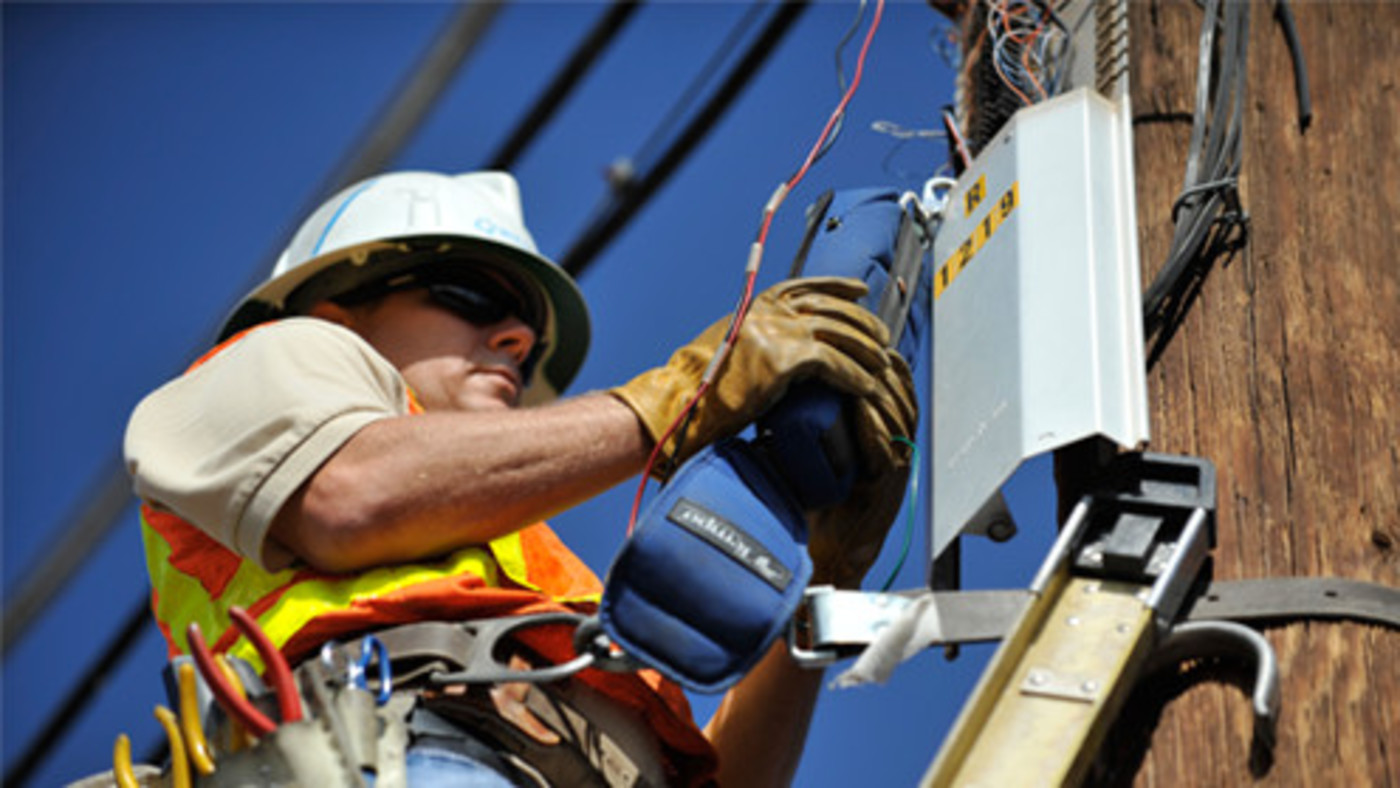
What You Need to Know to Be a Field Technician
In the construction industry, successfully carrying out job processes would be extremely challenging without field technicians. The success or failure of any construction job largely hinges on the skills of field technicians.
What Is a Technician?
Simply put, a technician works in a technological field and possesses relevant skills and is knowledgeable of techniques based on the theoretical and practical principles of the field. Technicians are pervasive in the healthcare and engineering construction industries.
What Is a Field Technician?
Field technicians are responsible for onsite operations or field activities within their functional skills and primarily handle the practical aspects of field projects. As such, field technicians implement the project design while solving and eliminating every technical problem they observe or anticipate.
• Field technicians support the efforts of the site engineers, architects and quantity surveyors. Although they apply practical knowledge in carrying out tasks, they seldom take up manual jobs. Field technicians understand the relevance and importance of techniques and translate theoretical knowledge into practical skills onsite.
• Construction field technicians specialize in areas, such as drafting, machine operation, storekeeping, building, buying and project inspection. Some technicians may choose to enter the field through training programs that concentrate on management, building, drafting, machine operation, an more. Their level of academic qualification determines the category in which they are placed, particularly for project inspectors and managers.
• General construction technicians often assist the tradesmen and learn skills while performing their job responsibilities.
• Management technicians draft job schedules, develop budgets and oversee safety-related issues.
• Building technicians draft project designs using by hand or by computer-aided design (CAD).
• Inspection technicians deal with building codes and regulations and ensure absolute compliance.
In addition to computer and technical skills, field technicians must possess excellent communication skills for effective and clear interaction among project team members.
Field Technician Classifications
Field technicians are classified as Field Technician I, II, III, IV, etc. These classifications help ensure that technicians are appropriately qualified to carry out the responsibilities for which they are hired. The classification system is based on experience and skills in the field. As a result, the higher the category, the higher the understanding and competency of the technician.
Field Technician I
This technician oversees and inspects projects at various stages to ensure strict adherence to plans, specifications, regulations and schedules. They also apply their knowledge to identify shortcomings or substandard work and ensure conformity with government or any other requirements. Other responsibilities include maintaining a professional relationship with contractors, consultants, engineers and business or property owners.
The Field Technician I resolves minor issues that arise with contractors, though major problems or matters of policy are referred to supervisors. New instructions for each department are often issued by the supervisor and the technician inspects and ensures compliance with those requirements.
He or she creates progress reports and ensures that the right materials are used for each task. Hours, labor and payment required for each phase of work also are a function of the Field Technician I.
The Field Technician I works primarily with engineers, superintendents, consultants and contractors.
Field Technician II
The Field Technician II’s job description is similar to that of a Field Technician I; the primary difference between the two is related to the skill and experience level of the technician. The Field Technician II performs semi-skilled and skilled jobs on the site.
The Field Technician II provides training and guidance on work duties, instructions and reports on clients’ requirements to Level I technicians. Often, Level II technicians work in shifts other than regular shift periods and weekends.
To improve his or her job competency, the Field Technician II must attend regular training and seminars on safety and tasks necessary for the department.
Top requirements for this class include reliability, ability to keep records, knowledge of occupational hazards and safety precautions, ability to operate various construction equipment and effective communication skills.
Field Technician III
The Field Technician III performs highly diversified roles, such as:
• providing training for less experienced technicians;
• enforcing established safety, health, quality and recognized practices;
• maintaining controls by assessing plant and process performance and diagnosing problems;
• repairing and replacing parts; and
• testing and making necessary adjustments to meet the company’s target goals.
The Field Technician III must use a variety of tools to detect faulty operations, defective materials and make reports for actions.
The Field Technician III assists other technicians in machine operations and interpretation of manuals.
Field Technician IV
The Field Technician IV supervises large projects and multiple crews and can work independently. This technician performs complex investigations, tests and evaluations, and prepares written reports, as needed.
The Field Technician IV possesses highly developed mechanical background knowledge, particularly with various engines, extensive knowledge of construction equipment, an advanced understanding of schematics and diagrams, exhibits strong teamwork, verbal and written skills.
