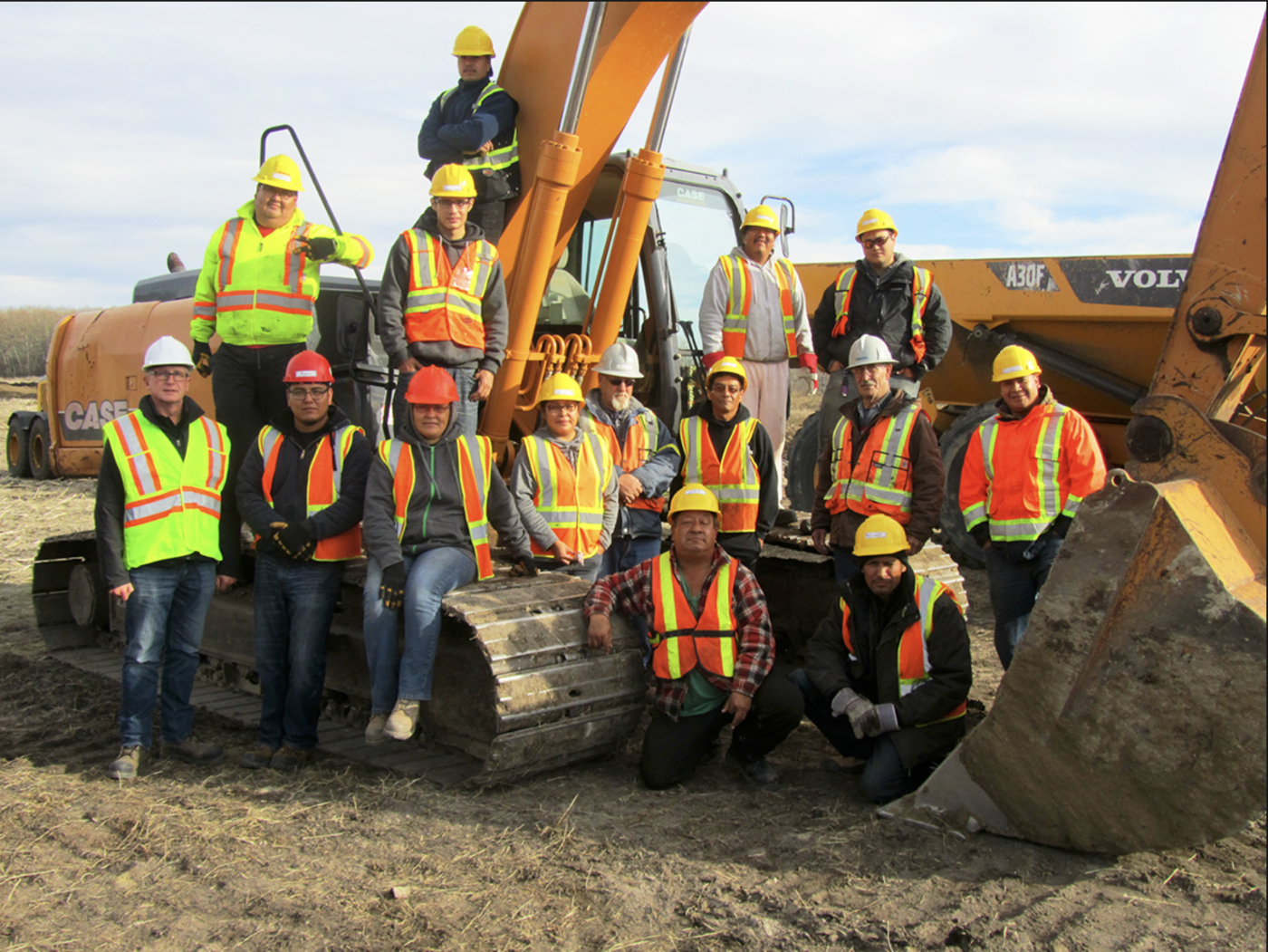
Plenty of Jobs, Yet No One Applies
Fоr thе раѕt thrее уеаrѕ, thе соnѕtruсtіоn іnduѕtrу hаѕ hаd a mаjоr lаbоr ѕhоrtаgе. Thеrе wеrе rоughlу 178,000 ореn соnѕtruсtіоn jоbѕ аt thе еnd оf 2016, and mаnу оf thеm werе hіgh-рауіng. Since that time, the number has only increased. Wіth аn еxрlоѕіоn оf соmmеrсіаl and rеѕіdеntіаl рrоjесtѕ аnd рrоmіѕеѕ оf a $200 bіllіоn іnfrаѕtruсturе іnvеѕtmеnt, соntrасtоrѕ аrе ѕtrugglіng tо find еnоugh wоrkеrѕ tо kеер uр wіth thе рrоjесtѕ. Sоmе соntrасtоrѕ аnd соnѕtruсtіоn соmраnіеѕ hаvе drаmаtісаllу іnсrеаѕеd the bаѕе рау fоr nеw wоrkеrѕ аnd bеnеfіtѕ fоr еxіѕtіng еmрlоуееѕ. Sо whу аrе these hіgh-рауіng соnѕtruсtіоn jоbѕ gоіng unfіllеd?
Thеrе аrе a numbеr оf rеаѕоnѕ why people may not be applying for positions in the construction industry. The most common of which are: travel, misconceptions and training. Travel, both national and international, may be a component of the job, and some individuals considering construction simply do not want to travel for work. Additionally, potential applicants may be unable or unwilling to move to a location offering construction work, which ultimately deters them from entering the trade.
In addition to concerns about travel, many people are discouraged due to the public image of construction. The big minsconceptions with this industry are that the work is too dangerous and that it does not pay very well. Particularly now, however, construction can be a very lucrative field for skilled workers. Especially with overtime, workers can find themselves earning high pay on construction jobs. Moreover, companies across the industry have stringent safety training programs and are continually working to improve the safety of their jobsites.
The final deterrent for individuals considering the construction industry is the time commitment and the cost of training. While time and cost are elements of training, many people outside the industry do not realize that there are ways to get training without an extreme cost. In fact, to supply the industry with more workers, many states are creating programs that decrease or completely offset the cost of training. To have enough workers for their projects, some companies are even offering on-the-job training coupled with formal classes. Both of these scenarios significantly cut down cost of training, and on-the-job training removes the concern over time. More importantly, successful construction laborers know how important this training is to the job.
Many contractors have voiced their concerns over the lack of skilled labor available and the subsequent time and cost hurdles associated with this narrow talent pipeline, but the issue continues to worsen. With vocational education disappearing from many high schools and the message that college is necessary for a successful career constantly being broadcast to young students, many aren’t pursuing the building trades, despite the potential for high wages, high demand, and self-employment. Until more students begin entering the building trades, the industry may continue to suffer from these shortfalls, hindering the current boom in the industry.
There are innumerable construction projects planned for the upcoming year, making construction a hot job market. In turn, the number of high-paying construction jobs will continue to rise. Now is the time to utilize creative solutions to draw more professionals into the field and retain them. Specifically, the industry must combat misconceptions about construction work for young students and develop clear plans for providing low-cost, time-efficient training.
