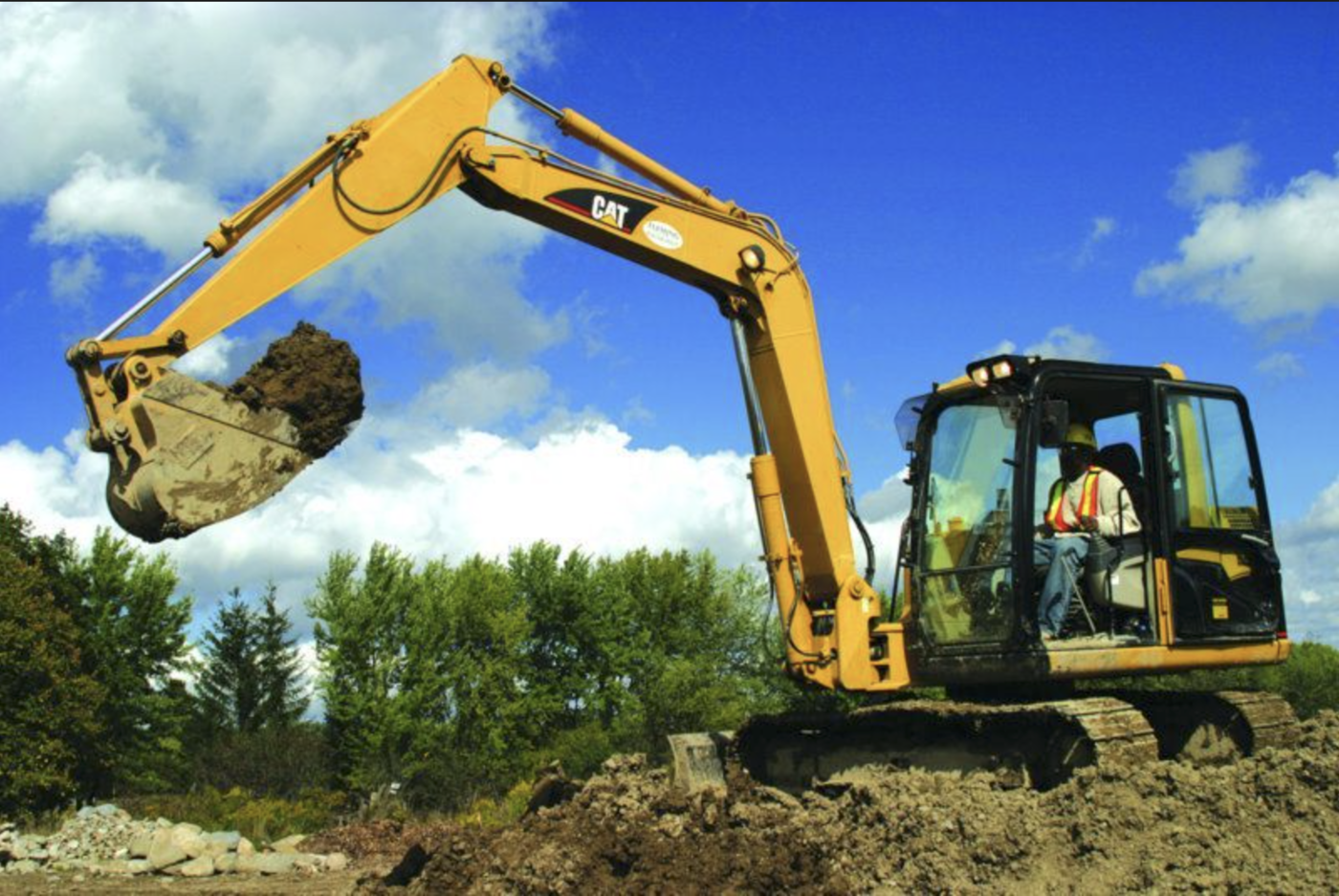
Why Being A Heavy Equipment Operator Is the Career of the Future
There’s plenty of work to do on a construction site that cannot be done by hand; this is where a construction equipment operator comes in. He or she may operate the equipment that moves heavy materials from Point A to Point B, excavate gravel and earth, drive piles into the ground, or spread and level asphalt, concrete and other paving material.
In this position, workers will operate heavy equipment used in the construction and maintenance of roads, bridges, airports, gas and oil pipelines, tunnels, buildings and other structures, in surface mining and quarrying activities and in material handling work. They are employed by construction, pipeline and logging companies, as well as by heavy equipment contractors.
All over the world, numerous multibillion dollar infrastructure and excavation projects are underway and making good progress. At the forefront of these projects is a skilled set of committed heavy-equipment operators.
According to the Occupational Outlook Handbook of the U.S. Bureau of Labor Statistics, Construction Equipment Operators are predicted to see an increase of 19 percent in their job outlook from 2012 to 2022; this is well above the average outlook of 11 percent for the same timeframe in other industries.
In addition to this statistic, there are other reasons why heavy equipment is a strong career choice for those looking to make a career change.
Perhaps most enticing among these reasons are that few blue-collar jobs pay as well as heavy equipment operator jobs. When you consider the pay, the pension, and all the benefits together, it is a fairly lucrative field. Additionally, if you have multiple qualifications (i.e. rigger, mobile crane operation certification, Class A CDL, etc.), you can command even higher pay.
Coupled with high pay is plenty of opportunity. The heavy equipment industry is seeking new candidates to hire and train right now. Both the private sector and the public sector need qualified people to operate heavy equipment to build roads, bridges, skyscrapers, public projects, and so on. According to statistics, there were 404,900 heavy equipment operators employed in 2010 alone, and this number is only growing.
Along with the compensation and available jobs, a career as a heavy equipment operator can offer a certain level of job security. Heavy equipment operators can work for state and local governments; highway, street and bridge construction companies; utility system construction companies; and other specialty trade contractors. With all of this need, this industry is one where you can find plenty of opportunity and security.
